
How to Remove Persistent Odors from an Apartment
Find the source of persistent apartment odours by checking moisture, drains, fabrics, cooking residue and ventilation before using fragrances or booking a cleaning service.
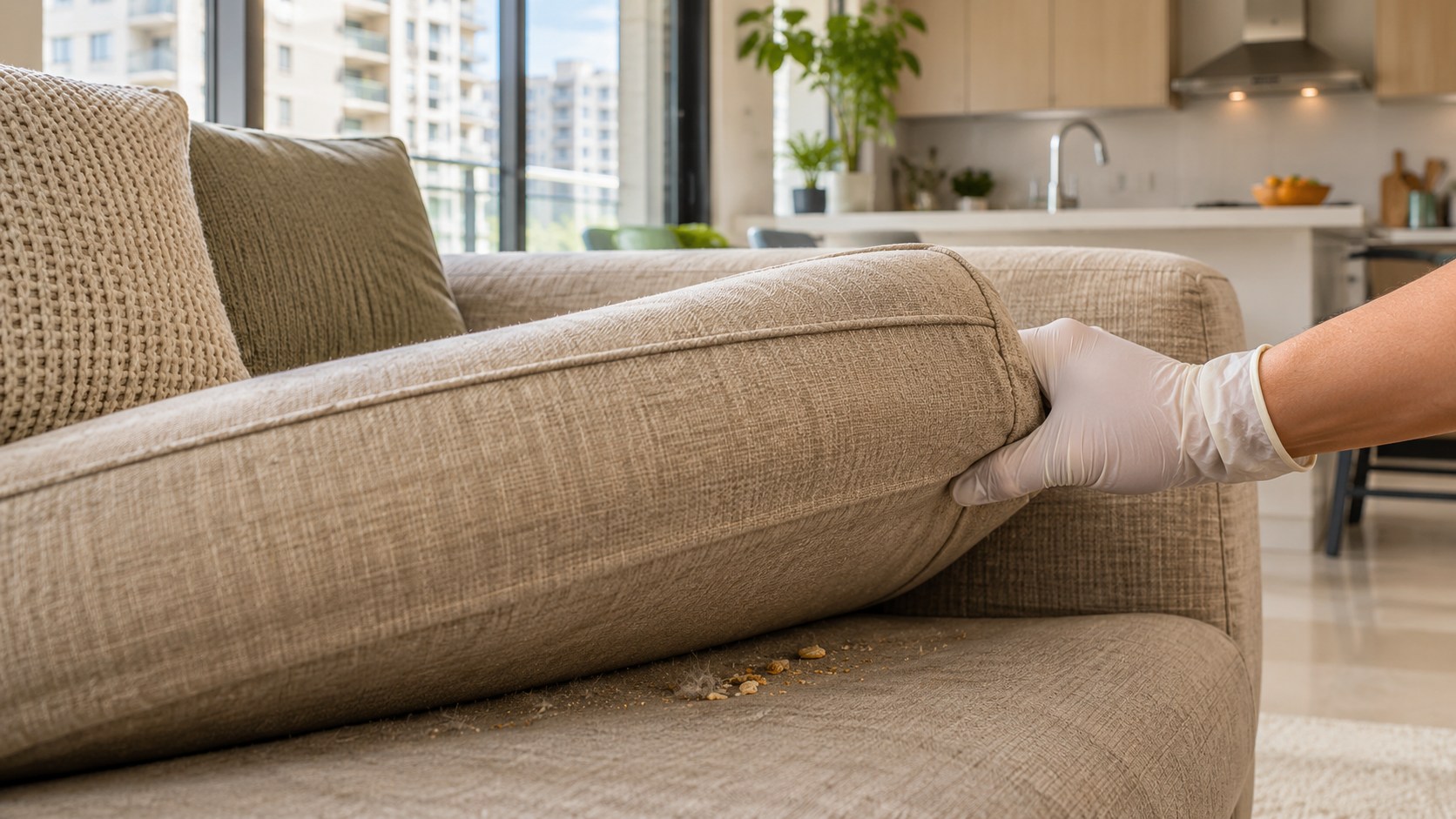
Image for illustration. Check the agreed service scope and expected results.
In this guide
A smell that returns after cleaning usually needs investigation rather than another air freshener. The source may be a damp surface, an unused drain, trapped food, upholstery or a ventilation problem.
Start by recording where the odor is strongest and when it appears. A smell description is a clue—not a reliable diagnosis.
Locate the source before treating the room
Check one area at a time, including bins, cupboards, beneath sofa cushions and around appliances. Note whether the smell follows cooking, showering, laundry or AC operation.
| Where you notice it | What to investigate |
|---|---|
| Bathroom or utility area | Drains, damp towels, leaks and extraction |
| Sofa, carpet or mattress | Spills, pet accidents and incomplete drying |
| Kitchen | Food waste, grease, appliance seals and filters |
| Walls or cupboards | Dampness, condensation and concealed leaks |
| Several rooms | Shared ventilation or a building-related source |
Remove obvious waste and clean affected surfaces using suitable products. The EPA identifies controlling pollution at its source as a central approach to improving indoor air quality. EPA guidance
Check moisture and recurring dampness
Look for water stains, condensation, wet cupboard bases and materials that remain damp. Report leaks rather than repeatedly cleaning or repainting the affected area.
A humidity meter can help document conditions. EPA guidance recommends keeping indoor relative humidity below 60%, ideally between 30% and 50% where possible. This is general moisture-control guidance, not a Dubai legal requirement.
If you find suspected mold, ask for assessment of both the material and the moisture source. Cleaning alone will not correct an ongoing leak.
Investigate drain smells carefully
A rarely used drain may lose the water seal in its trap, allowing sewer odors into the room. For a normally functioning, infrequently used sink or shower, running water can replenish that seal.
If the smell returns, drainage is slow or several fixtures are affected, contact a plumber or building management. Do not assume every drain smell is a blockage.
Avoid pouring combinations of bleach, drain cleaner, vinegar or other chemicals into a drain. CDC guidance warns against mixing cleaning products.
Clean fabrics without leaving them wet
Check sofa seams, removable covers, rugs, mattresses and pet bedding for trapped debris or previous spills.
Follow the care label before washing, spot treatment or extraction cleaning. Do not soak upholstery or a mattress simply to remove a smell. Plan sufficient drying time and ask a professional cleaner whether the proposed method suits the fabric and filling.
A stain or odor that returns after treatment may require reassessment of the underlying material. Ask about realistic limitations before paying for repeated cleaning.
Address cooking residue and ventilation
Clean food bins, accessible grease deposits and appliance surfaces according to their care instructions. Check whether the extractor filter needs cleaning or replacement.
Use kitchen and bathroom extraction as intended. If a fan is ineffective or smells appear to travel between apartments, report the pattern to building management.
Ventilate when outdoor conditions are suitable. Opening windows continuously is not always helpful during humid or dusty weather.
Choose help according to the findings
Use a cleaner for identified surface or fabric contamination, a plumber for recurring drainage concerns, and building maintenance for leaks or shared ventilation issues.
Provide photographs, timing notes and details of previous treatments. Ask what the proposed work addresses and what could cause the smell to return.
Fragrance can change how a room smells temporarily. A lasting improvement depends on removing or correcting the source.